The holidays are full of excitement: parties, visitors, travel, presents and late nights. For adults, it’s fun. For young children, all that change can be a lot. Skipped naps, new places and a steady stream of sweets can lead to meltdowns, even in the happiest kids. Keeping a few routines in place helps your child feel secure and makes the season more enjoyable for everyone.
Why routines matter. Young children feel safe when they know what comes next. Predictable routines for meals, naps and bedtime give their days a steady rhythm. When everything around them changes, those familiar anchors matter even more.
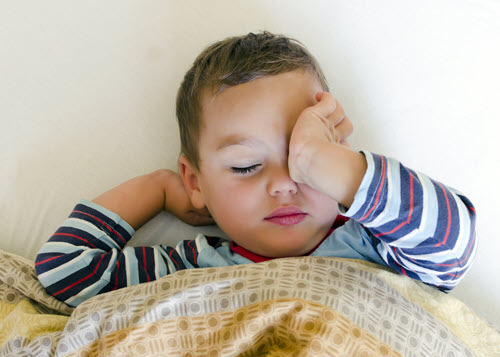
Protect sleep. Sleep is usually the first thing to slip during the holidays. Toddlers need about 11 to 14 hours of sleep in 24 hours, including naps, and preschoolers need about 10 to 13. Try to keep bedtimes and naptimes close to normal, even on special days. If a late night is unavoidable, plan a quieter day afterward. Bring along a favorite blanket, stuffed animal or bedtime book when you travel.
Tell them what’s coming. Talk with your child ahead of time about the day’s plans. “After lunch we’ll drive to Aunt Lisa’s. There will be lots of people, and we’ll eat dinner there.” Simple previews help children prepare for change. A picture calendar counting down to big days can help too.
Build in quiet time. Crowds, noise and bright lights can overwhelm little ones. Find a calm corner or a quiet room where your child can take a break with a book or a cuddle. Watch for early signs of overload, like whining, clinginess or extra silliness, and step away before it turns into a meltdown.
Keep meals steady. Holiday treats are part of the fun, but try to offer regular meals and snacks with fruits, vegetables and protein. Hungry children have a harder time managing big feelings.
Keep screens in check. Long days at home or in the car can lead to more screen time. Mix in active play, outdoor time when the weather allows, and hands-on activities like coloring, building or helping wrap gifts.
Take care of yourself, too. Children notice when the adults around them are stressed. It’s okay to say no to an extra event, simplify a tradition or ask for help. A calm, rested parent is one of the best gifts a child can have.
The most memorable holiday moments are often the simple ones: reading a story together, baking cookies or looking at lights. Slowing down helps your whole family enjoy them.
Sources: Centers for Disease Control and Prevention, Tips for Relying on Routines and Rules; Essentials for Parenting Toddlers and Preschoolers; Positive Parenting Tips: Preschoolers (3–5 years old); Sleep Foundation, How Much Sleep Do Kids Need?