Child Care, Health and Safety, Parenting
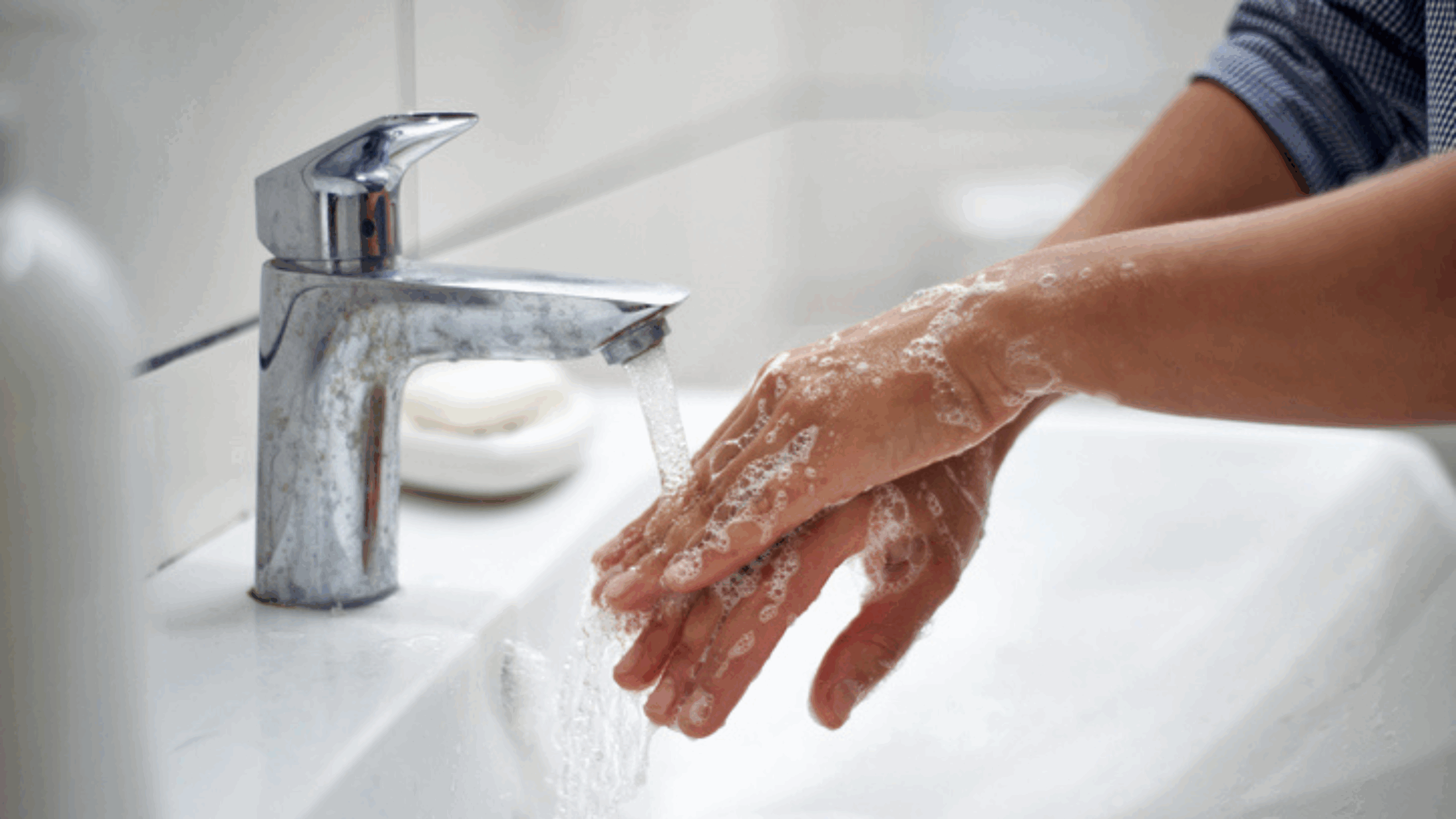
People often get sick when they make contact with germs from feces (poop) on their hands Feces (poop) from people or animals is an important source of germs like Salmonella, E. coli O157, and norovirus that cause diarrhea, and it can spread some respiratory infections...

Health and Safety, Parenting
What vitamin D does Vitamin D helps your child build strong bones and prevent rickets. Rickets is a condition of softening of the bones that can occur in growing children. When and how much a child needs All children need vitamin D beginning shortly after birth....

Child Care, Child Development, Health and Safety, Parenting
The best way to protect against measles is to get the measles, mumps, and rubella (MMR) vaccine. Children may get the measles, mumps, rubella, and varicella (MMRV) vaccine instead, which protects against chickenpox too. Most people who are vaccinated with MMR &...
Health and Safety, Parenting
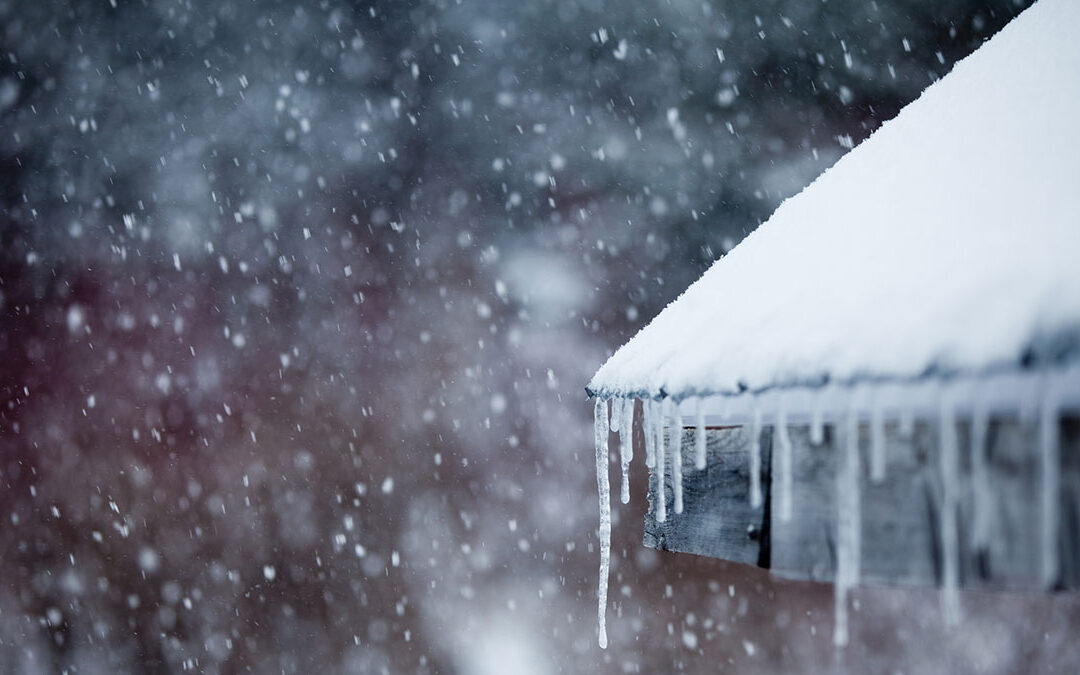
Be prepared for winter weather Prepare for winter storms by planning ahead, getting supplies, and getting your home and car ready. During extremely cold weather or winter storms, staying warm and safe can be a challenge. Winter storms can bring cold temperatures,...

Child Development, Health and Safety, Parenting
Essentials for Parenting Toddlers and Preschoolers is a free, online resource developed by CDC. Designed for parents of 2-to 4-year-olds, Essentials for Parenting addresses common parenting challenges like tantrums and whining. The purpose of the resource is to...
Child Development, Health and Safety, Parenting
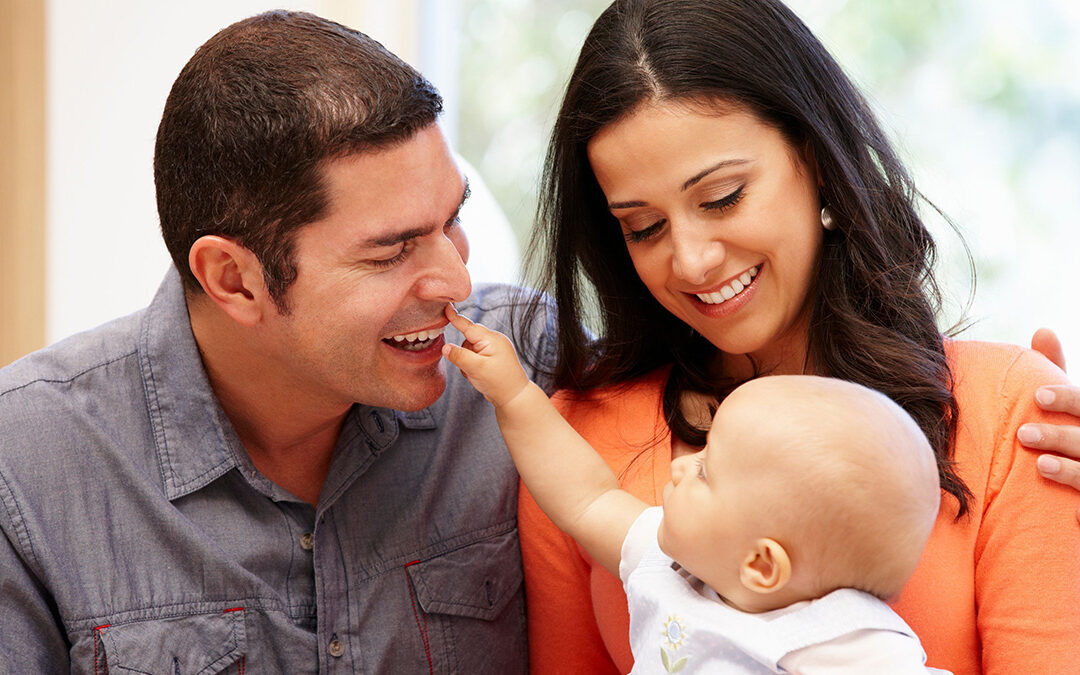
Positive parenting tips by age These links will help you learn more about your child’s development, positive parenting, safety, and health at each stage of your child’s life. Positive Parenting Tips: Infants (0–1 years) Positive parenting tips and resources for...